This post contains affiliate links — as an Amazon Associate, we earn from qualifying purchases.
A new glass top stove is a real upgrade — until the wrong pot leaves a scratch you can’t undo. Finding the best Cookware for glass top stoves has less to do with chasing a specific brand and more to do with dodging a few avoidable mistakes that scratch, crack, or unevenly heat food on this particular surface. Glass cooktops just don’t forgive the way gas and coil burners do, and cookware that’s fine everywhere else can quietly damage a stove that cost more than the pots sitting on it.
Why Glass Top Stoves Need Different Cookware
Three things separate safe cookware from risky cookware here: a base that’s genuinely flat (any warp creates hot spots and uneven contact), a bottom that’s smooth rather than textured (rough surfaces grind against glass over time), and weight that’s kept in check (heavy pieces, cast iron especially, are far more likely to crack the glass if they’re dropped, dragged, or set down hard).
What Actually Works
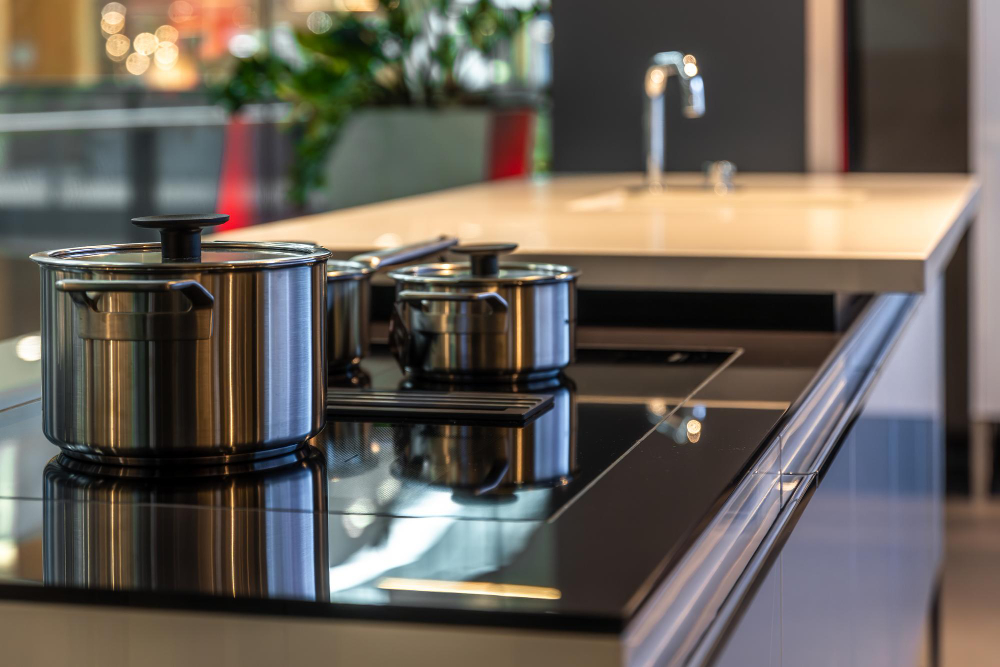
Stainless steel with a polished, flat bottom. This is the go-to choice for glass cooktops — it stays flat, glides without scratching, and holds up to years of daily use without warping.
👉 Browse stainless steel cookware for glass top stoves
Hard-anodized aluminum. Noticeably lighter than stainless while keeping the same smooth, flat base — a good fit if you’re specifically trying to keep weight off the glass surface. Our pots and pans set buying guide goes deeper into how this material compares to stainless if you’re still deciding.
Enameled cookware, as long as the base is finished smooth. Most enameled pieces are fine, but bases vary more here than with stainless, so it’s worth checking the specific listing rather than assuming.
What to Steer Clear Of
Cast iron, unless you’re genuinely careful with it. It’s not off-limits, but the combination of heavy weight and a slightly rough base makes it the riskiest material commonly used on a glass surface. If giving it up isn’t an option, the fix is simple: lift it on and off the burner instead of sliding it, and never let it drop, even a short distance.
Stoneware or unglazed bakeware. These often have a rough, unfinished bottom meant for oven racks, not glass cooktops, and that texture can scratch the surface surprisingly fast.
Anything warped, regardless of material. A base that’s lost its flatness is the number one cause of both uneven cooking and stovetop scratches — the material almost doesn’t matter once that happens.
The One Habit That Prevents Most of the Damage
Material choice matters, but how you handle your cookware matters just as much. Most glass stovetop scratches don’t come from using the “wrong” pan — they come from sliding a perfectly appropriate stainless steel pot across the surface instead of lifting it. If you’re outfitting a kitchen around this stove on a budget, our guide to cookware sets under $100 has several stainless and hard-anodized picks that work well here without a premium price tag.
Frequently Asked Questions
Is stainless steel safe for glass top stoves? Yes. Stainless steel with a flat, polished base is one of the safest and most widely used choices for glass cooktops.
Can cast iron go on a glass top stove? It can, but it’s riskier than other materials because of its weight and rougher base. If you use it, always lift rather than slide, and avoid ever dropping it onto the surface.
What’s actually most likely to damage a glass cooktop? Sliding heavy or rough-bottomed cookware, dropping pots or pans directly onto the glass, and cooking with warped cookware that creates uneven pressure are the leading causes.
Does nonstick cookware work fine on a glass stove? Yes — the coating itself doesn’t matter for stove safety. What matters is whether the pan’s base is flat and smooth, regardless of what’s coating the interior.
For manufacturer-specific care guidance, GE’s glass cooktop care page is a reliable independent reference beyond what any cookware brand will tell you.
Disclosure: This post may contain affiliate links. If you make a purchase through one of our links, we may earn a small commission at no extra cost to you.