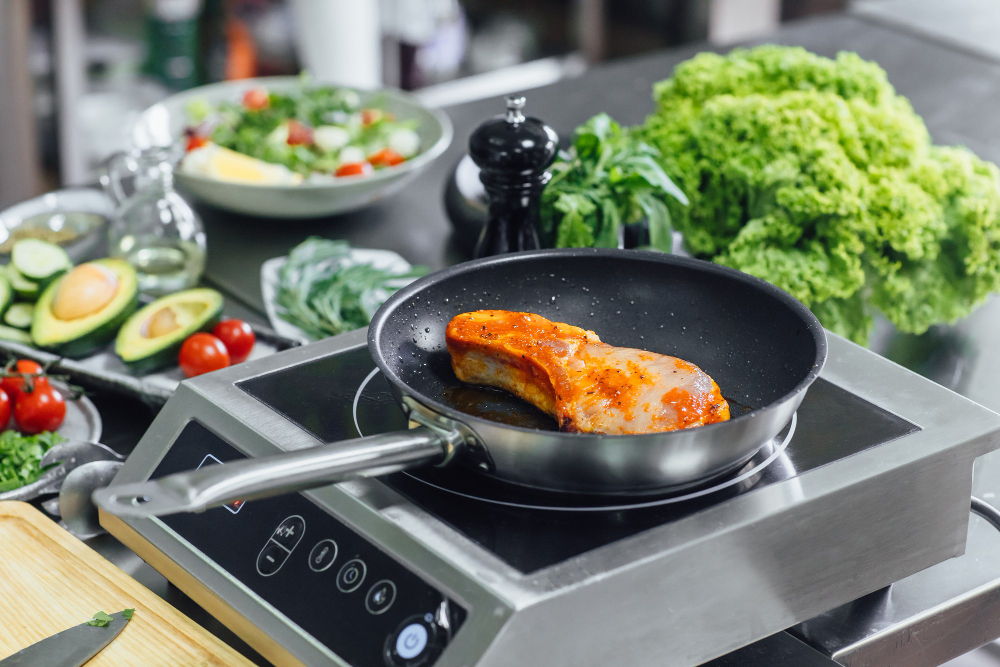
A salmon fillet cooks in a skillet while fresh greens, avocados, and vegetables are prepared nearby for a healthy meal.
Our team has tested over 150 pots and pans on electric stoves – coil, smooth top, and glass. We evaluate heat retention, flatness, scratch resistance, and warp prevention.
• Ultimate Guide to Choosing the Perfect Cookware Set
• Best Non-Stick Pans for Healthy Cooking
• Stainless Steel vs Non-Stick
• Cast Iron Care: How to Season and Maintain
• How to Season a Cast Iron Skillet
• Best Oil for Seasoning Cast Iron
• How to Clean Stainless Steel Pans
• Non-Toxic Cookware Guide
• How to Remove Rust from Cast Iron
• Best Cookware for Gas Stoves
Best Cookware for Electric Stoves: Complete Guide (2025)
1. Explainer: How Electric Stoves Work
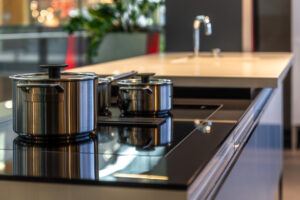
Electric stoves come in three main types: coil burners, smooth top (ceramic glass), and induction (covered separately). Unlike gas, electric stoves rely on thermal conduction – heat transfers from a hot coil or glass surface directly to your pan. This means your cookware needs a completely flat bottom for maximum contact and even heating.
Electric Stove Types:
- Coil Burners: Exposed metal coils that heat up and transfer heat to the pan. Durable but can scratch pans over time.
- Smooth Top (Ceramic Glass): A flat glass surface with heating elements underneath. Requires scratch‑resistant cookware.
- Induction: Uses electromagnetism (see our induction guide).
Source: Energy Star – Cooking Appliances
Shop Electric Stove Cookware Sets on Amazon →
2. Educational Listicle: 5 Key Features for Electric Stove Cookware
- Perfectly Flat Bottom – Any warp will cause rocking and uneven heating. Place a ruler across the bottom to test.
- Heavy Gauge Construction – Thicker pans (3mm+) resist warping on electric coils.
- Smooth Base (for Glass Tops) – Rough textures can scratch ceramic glass.
- Good Heat Retention – Electric burners cycle on/off; heavy materials like cast iron maintain steady heat.
- Oven‑Safe – Many electric stove recipes start on the burner and finish in the oven.
3. Product Comparison: Best Materials for Electric Stoves
| Material | Best For | Flat Bottom? | Scratch Risk (Glass Top) | Warp Resistance | Heat Retention |
|---|---|---|---|---|---|
| Stainless Steel | Everyday cooking, searing | Excellent (tri-ply) | Low (smooth base) | High | Good |
| Cast Iron | Searing, frying, baking | Good (if not warped) | High (can scratch glass) | Very High | Excellent |
| Enameled Cast Iron | Braising, soups | Good | Medium (smooth enamel) | High | Excellent |
| Non-Stick (Aluminum) | Eggs, fish, delicate foods | Excellent | Low | Low (avoid high heat) | Poor |
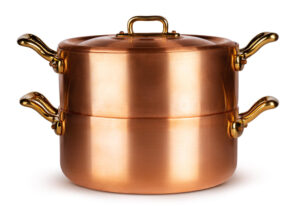
| Copper (lined) | Precise temperature control | Excellent | Low | Medium | Excellent (but reactive) |
Source: Consumer Reports – Cookware for Glass Top Stoves
4. How‑to Guide: Prevent Scratching on Glass Top Stoves
Follow these steps to protect your smooth top stove:
- Lift, don’t slide – Always lift pans straight up; sliding grinds debris into the glass.
- Clean the bottom of your pans – Burnt‑on residue acts like sandpaper.
- Use flat, smooth‑based cookware – Avoid rough cast iron or unglazed ceramic.
- Wipe the cooktop before cooking – Even a grain of salt can cause a scratch.
- Use a glass cooktop cleaner – Special cleaners fill micro‑scratches and protect the surface.
Shop Glass Cooktop Cleaners on Amazon →
5. Product Roundup: Top 4 Cookware Sets for Electric Stoves
5.1 Tri‑Ply Stainless Steel Set (Best Overall)
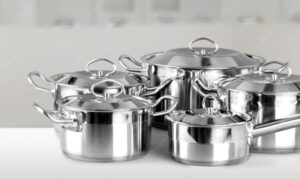
Fully flat bottoms, oven‑safe to 500°F, dishwasher‑safe. Ideal for coil and smooth top stoves. Pros: Even heating, durable. Cons: Can stick without proper preheat.
5.2 Hard‑Anodized Non‑Stick Set (Best for Glass Tops)
Smooth, scratch‑resistant exterior. PFOA‑free. Pros: Easy release, lightweight. Cons: Not oven‑safe above 400°F.
5.3 Enameled Cast Iron Dutch oven (Best for Braising)
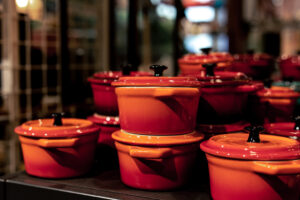
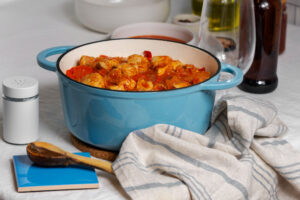
Smooth enamel bottom won’t scratch glass tops. Excellent heat retention for slow cooking. Pros: Non‑reactive, no seasoning. Cons: Heavy, expensive.
5.4 Copper‑Core Stainless Steel Skillet (Best Heat Control)
Professional‑grade with copper core for rapid, even heating. Smooth flat bottom. Pros: Excellent responsiveness. Cons: High price.
6. Expert Tips for Cooking on Electric Stoves
- Match pan size to burner – Using a small pan on a large coil wastes energy and can warp the pan.
- Preheat properly – Electric coils take time to heat up. Give your pan 2‑3 minutes before adding oil.
- Don’t overheat – Electric burners stay hot longer than gas; turn off a few minutes before done.
- Use flat‑bottom woks – Traditional round woks don’t work on electric stoves.
- Check for warping – Place a ruler across the bottom every few months. If light shines through, replace the pan.
7. Cookware to Avoid on Electric Stoves
- Warped or dented pans – Will rock and heat unevenly.
- Rough cast iron – Can scratch glass tops (use enameled instead).
- Very thin aluminum – Warps easily on electric coils.
- Glass or ceramic cookware – Not designed for direct heat (can crack).
- Round‑bottom woks – Won’t make contact with the flat burner.
8. Frequently Asked Questions
What cookware works best on electric stoves?
Can I use cast iron on a glass top stove?
How to prevent scratching on glass top stoves?
Is stainless steel safe for electric stoves?
Why does my pan wobble on my electric stove?
9. Final Expert Recommendations
For electric stove owners – whether coil or smooth top – we recommend:
- 10‑inch and 12‑inch tri‑ply stainless steel skillets – flat bottoms, warp‑resistant, even heating
- 3‑quart and 5‑quart stainless steel saucepans – everyday boiling and sauces
- Enameled cast iron Dutch oven – for braising and slow cooking (safe for glass tops)
- Hard‑anodized non‑stick pan – for eggs and delicate foods
With this collection, you’ll avoid scratching, warping, and uneven heating – and your electric stove will perform at its best.
Ready to upgrade your electric stove cookware? Browse our top picks above to find the perfect set for your kitchen.
Disclosure: As an Amazon Associate, potspansset.com earns from qualifying purchases. This helps support our ability to provide free, high‑quality content. Sources: Energy Star, Consumer Reports.