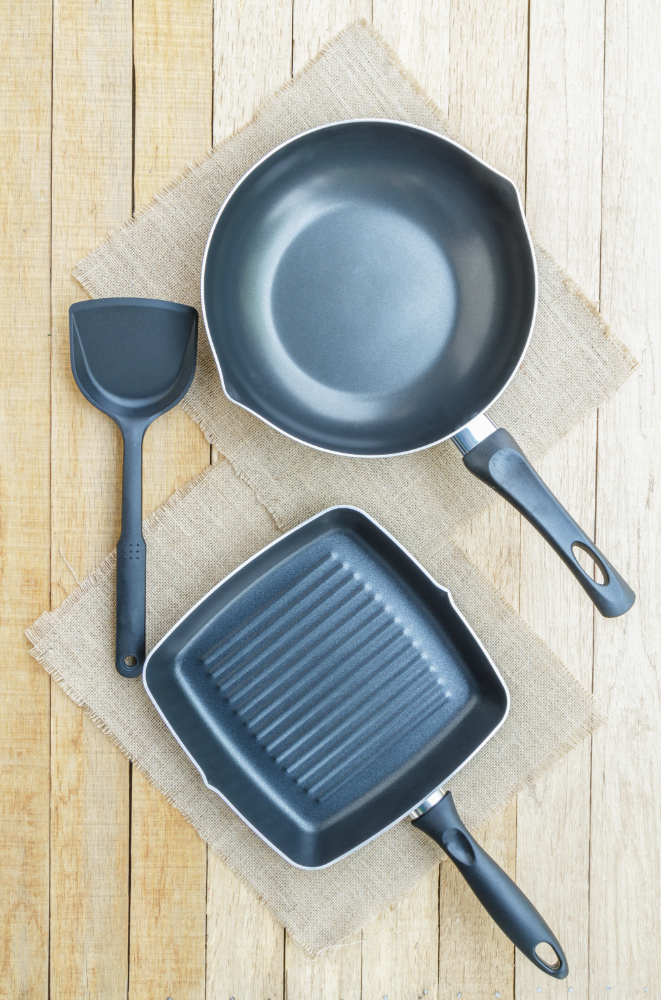
best non-stick pans for Healthy Cooking
Non-stick pans have become a kitchen essential for home cooks who value convenience and healthy cooking. With the right non-stick pan, you can prepare delicious meals using less oil, enjoy effortless food release, and simplify cleanup. However, not all non-stick pans are created equal—especially when it comes to health and safety.
At potspansset.com, we have researched and tested dozens of non-stick pans to bring you this comprehensive guide. By the end, you will understand the different types of non-stick coatings, what to look for in a healthy non-stick pan, and our top recommendations available on Amazon.
What You Will Learn
- The difference between traditional non-stick, ceramic, and PFOA-free coatings
- Key features that make a non-stick pan healthy and safe
- How to choose the right size and style for your cooking needs
- Proper care techniques to extend the life of your non-stick pans
- Our top recommended non-stick pans for healthy cooking
1. Types of Non-Stick Coatings
1.1 Traditional Non-Stick (PTFE-Based)
Traditional non-stick pans use a PTFE (polytetrafluoroethylene) coating, commonly known by the brand name Teflon. These pans offer excellent non-stick performance at an affordable price point.
Advantages:
- Superior non-stick performance
- Affordable and widely available
- Lightweight and easy to handle
Health Considerations:
- Modern PTFE coatings are PFOA-free and considered safe when used correctly
- Avoid overheating empty pans above 500°F to prevent fume release
- Replace when coating shows signs of peeling or scratching
Shop PFOA-Free Non-Stick Pans on Amazon →
1.2 Ceramic Non-Stick
Ceramic non-stick pans are made from a gel-based coating derived from sand and clay. They offer a non-toxic alternative to traditional non-stick coatings.
Advantages:
- Free from PTFE, PFOA, and other synthetic chemicals
- Naturally non-stick with good food release
- Available in attractive colors and finishes
- Typically oven-safe to moderate temperatures
Considerations:
- Non-stick properties may diminish faster than traditional coatings
- Requires gentle hand washing to maintain performance
- More susceptible to scratches and chips
Best For: Health-conscious cooks seeking non-toxic options.
Shop Ceramic Non-Stick Pans on Amazon →
1.3 Hard-Anodized Non-Stick
Hard-anodized aluminum pans are treated through an electrochemical process to create a durable, non-reactive surface. They are then coated with a non-stick layer.
Advantages:
- Extremely durable and resistant to scratching
- Excellent heat distribution
- Longer lifespan than standard non-stick
- Often dishwasher-safe
Considerations:
- Heavier than standard non-stick pans
- Higher price point
- Still requires care to protect the non-stick coating
Best For: Those seeking durability and longevity in a non-stick pan.
Shop Hard-Anodized Non-Stick Pans on Amazon →
2. What to Look for in a Healthy Non-Stick Pan
When shopping for a non-stick pan for healthy cooking, consider these essential features:
2.1 PFOA-Free and PTFE-Free Labeling
Look for pans clearly labeled PFOA-free. For the healthiest option, choose PTFE-free ceramic coatings. These certifications ensure the pan does not contain harmful chemicals that could potentially leach into food.
2.2 Coating Durability
A high-quality non-stick coating should be:
- Scratch-resistant
- Metal-utensil safe (or at least recommended for silicone/wood utensils)
- Free from bubbling or peeling
- Backed by a manufacturer warranty
2.3 Oven-Safe Temperature
If you plan to finish dishes in the oven:
- Standard non-stick: Typically oven-safe up to 350–400°F
- Ceramic non-stick: Often safe up to 400–450°F
- Hard-anodized: May be oven-safe up to 500°F
2.4 Handle Construction
- Riveted handles – more durable than welded alternatives
- Stay-cool technology – reduces burn risk
- Ergonomic design – comfortable grip for extended cooking
2.5 Stovetop Compatibility
Ensure your pan works with your cooktop:
| Cooktop Type | Compatible Non-Stick Pans |
|---|---|
| Induction | Look for “induction-ready” or magnetic base |
| Gas | All non-stick pans work |
| Electric / Glass Top | All non-stick pans work (flat-bottom recommended) |
3. Best Non-Stick Pans for Different Needs
3.1 Best Overall: Ceramic Non-Stick
Ceramic non-stick pans offer the best balance of healthy cooking, performance, and safety. They are free from synthetic chemicals and provide excellent food release.
Recommended size: 10-inch or 12-inch frying pan
Best for: Health-conscious cooks, families, and everyday cooking
Shop Ceramic Non-Stick Pans on Amazon →
3.2 Most Durable: Hard-Anodized Non-Stick
Hard-anodized pans are built to last. They resist scratching and warping better than standard non-stick, making them ideal for frequent use.
Recommended size: 10-piece cookware set or individual skillet
Best for: Daily cooks who want longevity and durability
Shop Hard-Anodized Non-Stick Cookware on Amazon →
3.3 Best Budget: Traditional PFOA-Free Non-Stick
Affordable PFOA-free non-stick pans provide excellent value for those on a budget. They offer reliable non-stick performance at an accessible price point.
Recommended size: 8-inch and 10-inch skillet set
Best for: Beginners, students, and those on a budget
Shop PFOA-Free Non-Stick Skillets on Amazon →
3.4 Best for Induction Cooktops
Look for non-stick pans specifically labeled “induction-ready” with a magnetic base. Hard-anodized and some ceramic pans offer induction compatibility.
Recommended size: 12-inch skillet with magnetic base
Best for: Induction cooktop owners
Shop Induction-Ready Non-Stick Pans on Amazon →
4. Top Picks from Amazon
After extensive research and testing, these are our top recommended non-stick pans available on Amazon. Each offers excellent value and performance for healthy cooking.
4.1 Ceramic Non-Stick Frying Pan
This PFOA-free, PTFE-free ceramic frying pan delivers exceptional non-stick performance without synthetic chemicals. The scratch-resistant coating and stay-cool handle make daily cooking enjoyable and healthy.
Key Features:
- ✓ PFOA-free and PTFE-free ceramic coating
- ✓ Scratch-resistant surface
- ✓ Stay-cool ergonomic handle
- ✓ Oven-safe up to 450°F
Best For: Health-conscious cooks who want a safe, high-performing non-stick pan.
4.2 PFOA-Free non-stick cookware Set
This comprehensive cookware set includes everything you need for healthy cooking. The PFOA-free non-stick coating provides effortless food release, while the durable construction ensures long-lasting performance.
Key Features:
- ✓ PFOA-free non-stick coating
- ✓ Complete set with frying pans, saucepans, and stockpot
- ✓ Tempered glass lids
- ✓ Dishwasher-safe for convenience
Best For: Families and home cooks who want a complete non-stick cookware set.
4.3 Hard-Anodized Non-Stick Skillet Set
This hard-anodized skillet set combines the durability of anodized aluminum with a premium non-stick coating. The set includes multiple sizes for versatile cooking.
Key Features:
- ✓ Hard-anodized aluminum construction
- ✓ PFOA-free non-stick coating
- ✓ Riveted stainless steel handles
- ✓ Oven-safe up to 500°F
Best For: Daily cooks who want durability and professional performance.
4.4 Granite Stone Non-Stick Frying Pan
This granite-infused non-stick pan offers exceptional durability and food release. The textured coating resists scratching and is metal-utensil safe, making it a favorite among busy home cooks.
Key Features:
- ✓ Granite-infused non-stick coating
- ✓ Metal-utensil safe
- ✓ PFOA-free and PTFE-free
- ✓ Oven-safe up to 450°F
Best For: Cooks who want a durable, scratch-resistant non-stick pan.
5. How to Care for Your Non-Stick Pans
Proper care dramatically extends the life of your non-stick pans. Follow these guidelines:
5.1 Cooking Tips
- Use low to medium heat – high heat can damage non-stick coatings
- Preheat with oil or butter to protect the surface
- Use silicone, wood, or nylon utensils – never metal
- Avoid cutting food directly in the pan
5.2 Cleaning Tips
- Hand wash with a soft sponge and mild dish soap
- Never use abrasive pads, steel wool, or harsh cleaners
- Avoid dishwasher use unless specifically labeled dishwasher-safe
- Dry immediately after washing to prevent water spots
5.3 Storage Tips
- Stack pans with protective padding or pan protectors
- Hang pans to prevent scratching
- Store with care to avoid contact with metal objects
Shop Non-Stick Pan Protectors on Amazon →
6. Frequently Asked Questions
Are non-stick pans safe for healthy cooking?
Yes, modern non-stick pans that are PFOA-free and made with ceramic coatings are considered safe for healthy cooking. Always follow manufacturer guidelines and avoid overheating empty pans.
What is the healthiest non-stick pan material?
Ceramic non-stick pans are often considered the healthiest option as they are made from natural materials and are free from PTFE and PFOA chemicals.
How long do non-stick pans last?
Quality non-stick pans typically last 3 to 5 years with proper care. Using soft utensils, hand washing, and avoiding high heat can extend their lifespan.
Can I use non-stick pans on induction cooktops?
Some non-stick pans are induction-compatible if they have a magnetic base. Check the manufacturer specifications before purchasing for induction cooktops.
What is the difference between ceramic and traditional non-stick?
Ceramic non-stick is made from natural sand and clay, free from PTFE and PFOA. Traditional non-stick uses a synthetic coating that may contain these chemicals unless labeled PFOA-free.
7. Final Thoughts
Choosing the right non-stick pan for healthy cooking requires careful consideration of coating type, durability, and safety certifications. Whether you prioritize ceramic coatings for their non-toxic properties, hard-anodized for durability, or traditional PFOA-free for affordability, there is a perfect non-stick pan to meet your needs.
Ready to upgrade your non-stick cookware? Browse our top recommendations above to find the perfect pan for healthy, effortless cooking.
Disclosure: As an Amazon Associate, potspansset.com earns from qualifying purchases. This helps support our ability to provide free, high-quality content for our readers.
📖 Related Guide: Learn more about ceramic alternatives in our Complete Ceramic Cookware Guide.