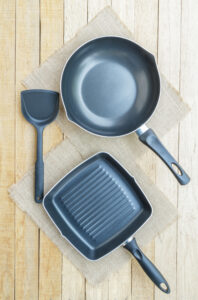
Ceramic cookware has gained popularity for its nonstick performance and non-toxic reputation. But is it the right choice for your kitchen? This guide covers everything from durability to safety.
ceramic cookware. Learn about safety, non-stick performance, durability, and whether ceramic is the right choice for your kitchen."> best ceramic cookware, potspansset"> Cookware Guides">
• Ultimate Guide to Choosing the Perfect Cookware Set
• Best Non-Stick Pans for Healthy Cooking
• Stainless Steel vs Non-Stick: Complete Comparison
• Cast Iron Care: How to Season and Maintain
Ceramic Cookware: Pros, Cons, and Safety Complete Guide
Ceramic cookware has surged in popularity as health-conscious home cooks seek alternatives to traditional non-stick coatings. Marketed as a non-toxic, eco-friendly option, ceramic cookware promises the convenience of non-stick cooking without the concerns associated with PTFE and PFOA.
At potspansset.com, we have tested dozens of ceramic cookware sets and analyzed hundreds of customer reviews. In this comprehensive guide, we will explore the pros and cons of ceramic cookware, safety considerations, durability expectations, and help you decide if ceramic is the right choice for your kitchen.
What You Will Learn
- What ceramic cookware is and how it’s made
- The key advantages of ceramic cookware
- Important disadvantages and limitations
- Safety considerations and non-toxic claims
- How ceramic compares to traditional non-stick
- Proper care and maintenance tips
- Our top recommended ceramic cookware sets
1. What Is Ceramic Cookware?
Ceramic cookware refers to pots and pans with a non-stick coating derived from natural materials—specifically sand and clay. The base is typically aluminum or stainless steel, which is then coated with a gel-based silicone coating that is baked on to create a smooth, non-stick surface.
It’s important to distinguish between:
- Ceramic-coated cookware: Metal base (aluminum or stainless steel) with a ceramic non-stick coating. This is the most common type.
- 100% ceramic cookware: Made entirely from clay and fired at high temperatures. These are heavy, durable, but not non-stick without seasoning.
This guide focuses on ceramic-coated cookware, which is what most people refer to when shopping for “ceramic non-stick” pans.
Shop Ceramic Non-Stick Cookware on Amazon →
2. Pros of Ceramic Cookware
2.1 Non-Toxic and Chemical-Free
The biggest advantage of ceramic cookware is its safety profile. High-quality ceramic coatings are:
- PTFE-free: Contains no polytetrafluoroethylene (the chemical in traditional non-stick)
- PFOA-free: Free from perfluorooctanoic acid (a manufacturing chemical linked to health concerns)
- Made from natural materials: Derived from sand and clay, not synthetic chemicals
2.2 Excellent Non-Stick Performance
When new, ceramic cookware offers exceptional non-stick properties. Eggs slide off effortlessly, and food releases with minimal oil. For health-conscious cooks, this means you can prepare meals with less fat.
2.3 Aesthetic Appeal
Ceramic cookware is available in a wide range of attractive colors and finishes. From matte whites to vibrant blues and reds, ceramic pans add visual appeal to your kitchen and can even go from stovetop to table for serving.
2.4 Lightweight and Easy to Handle
Unlike cast iron, ceramic-coated cookware is lightweight and easy to maneuver. This makes it an excellent choice for everyday cooking, especially for those who may struggle with heavier pots and pans.
2.5 Moderate Oven Safety
Most ceramic cookware is oven-safe up to 400-450°F, allowing you to finish dishes in the oven. Check manufacturer specifications as limits vary by brand.
Shop PTFE-Free Ceramic Frying Pans on Amazon →
3. Cons of Ceramic Cookware
3.1 Limited Lifespan
The most significant drawback of ceramic cookware is its durability. While traditional non-stick pans last 3-5 years, ceramic coatings typically begin to lose their non-stick properties after 2-3 years of regular use. Some budget options may degrade even faster.
3.2 Susceptible to Scratches and Chips
Ceramic coatings are more delicate than traditional non-stick. They can scratch easily with metal utensils and may chip if dropped or banged against hard surfaces. Once the coating is compromised, the pan’s performance declines rapidly.
3.3 Not Induction-Ready
Many ceramic cookware sets are not compatible with induction cooktops unless they have a magnetic base. Always check the product specifications if you have an induction stove.
3.4 Requires Gentle Care
Ceramic cookware demands careful maintenance. Dishwasher use is not recommended, high heat can damage the coating, and abrasive cleaners will scratch the surface. For those seeking low-maintenance cookware, ceramic may not be ideal.
3.5 Performance Declines Over Time
Unlike cast iron, which improves with age, ceramic cookware’s non-stick performance steadily declines. Food may start sticking after a year or two, requiring replacement to restore the non-stick experience.
4. Ceramic vs Traditional Non-Stick: Comparison
| Feature | Ceramic Non-Stick | Traditional Non-Stick (PTFE) |
|---|---|---|
| Safety | PTFE-free, PFOA-free, natural materials | PFOA-free in modern versions, contains PTFE |
| Lifespan | 2-3 years | 3-5 years |
| Non-Stick Performance | Excellent when new, declines faster | Excellent, longer-lasting |
| Heat Tolerance | Up to 400-450°F | Up to 350-400°F |
| Scratch Resistance | Lower, more delicate | Higher, more durable |
| Price | Moderate to premium | Budget to premium |
| Environmental Impact | More eco-friendly materials | Synthetic manufacturing process |
5. Is Ceramic Cookware Safe?
The short answer is yes. High-quality ceramic cookware is widely considered safe for home cooking. Here’s why:
5.1 No PTFE or PFOA
Traditional non-stick pans use PTFE (Teflon), which can release fumes if overheated above 500°F. Ceramic coatings contain neither PTFE nor PFOA, eliminating this concern entirely.
5.2 Natural Materials
Ceramic coatings are derived from sand and clay—the same materials used in pottery and dinnerware. These are naturally non-toxic and chemically stable at normal cooking temperatures.
5.3 What to Watch For
Not all ceramic cookware is created equal. Look for:
- Reputable brands with transparent manufacturing practices
- Third-party certifications like FDA approval or LFGB certification
- Clear labeling indicating PTFE-free and PFOA-free
Avoid extremely cheap ceramic pans from unknown manufacturers, as they may use inferior materials or undisclosed binders.
Shop Granite Stone Ceramic Cookware on Amazon →
6. How to Care for Ceramic Cookware
Proper care is essential to maximize the lifespan of your ceramic cookware. Follow these guidelines:
6.1 Cooking Tips
- Use low to medium heat: Ceramic conducts heat efficiently. High heat can damage the coating and cause food to stick.
- Preheat with oil: Add a small amount of oil or butter before heating to protect the surface.
- Use soft utensils: Silicone, wood, or nylon only. Never use metal utensils.
- Let the pan cool: Avoid thermal shock by allowing the pan to cool before adding liquid or washing.
6.2 Cleaning Tips
- Hand wash only: Even if labeled dishwasher-safe, hand washing preserves the coating.
- Use a soft sponge: Avoid abrasive pads, steel wool, or harsh cleaners.
- Soak if needed: For stuck-on food, soak in warm soapy water before gentle scrubbing.
- Dry immediately: Prevents water spots and maintains appearance.
6.3 Storage Tips
- Stack with protection: Place paper towels or pan protectors between stacked pans.
- Avoid hanging with metal hooks: Can scratch the coating. Use soft hooks or store in cabinets.
- Keep away from metal objects: Store separately to prevent accidental scratching.
Shop Colorful Ceramic Skillets on Amazon →
7. Top Picks from Amazon
After extensive research and testing, these are our top recommended ceramic cookware sets available on Amazon.
7.1 Ceramic Non-Stick 10-Piece Cookware Set
This comprehensive set includes everything you need for a healthy kitchen. The PTFE-free, PFOA-free ceramic coating delivers exceptional non-stick performance. The set includes frying pans, saucepans, and a stockpot with tempered glass lids.
Key Features:
- ✓ PTFE-free and PFOA-free ceramic coating
- ✓ 10-piece set with essential pieces
- ✓ Tempered glass lids for easy monitoring
- ✓ Stay-cool ergonomic handles
Best For: Families and home cooks wanting a complete, non-toxic cookware set.
7.2 PTFE-Free Ceramic Frying Pan
This 10-inch ceramic frying pan is perfect for eggs, fish, and delicate foods. The non-toxic coating provides effortless food release without synthetic chemicals. The comfortable handle and durable construction make it a kitchen essential.
Key Features:
- ✓ PTFE-free and PFOA-free ceramic coating
- ✓ Scratch-resistant surface
- ✓ Stay-cool ergonomic handle
- ✓ Oven-safe up to 450°F
Best For: Health-conscious cooks who want a safe, high-performing non-stick pan.
7.3 Granite Stone Ceramic Cookware Set
This granite-infused ceramic set offers exceptional durability and scratch resistance. The textured coating is metal-utensil safe, making it a favorite among busy home cooks. The 12-piece set includes all essential cookware pieces.
Key Features:
- ✓ Granite-infused ceramic coating
- ✓ Metal-utensil safe
- ✓ PTFE-free and PFOA-free
- ✓ Oven-safe up to 450°F
Best For: Cooks who want durable ceramic cookware that can handle daily use.
7.4 Colorful Ceramic Non-Stick Skillet
This vibrant ceramic skillet adds style to your kitchen while delivering reliable non-stick performance. The PFOA-free coating and comfortable handle make it perfect for everyday cooking.
Key Features:
- ✓ PFOA-free ceramic coating
- ✓ Available in multiple colors
- ✓ Lightweight and easy to handle
- ✓ Dishwasher-safe for convenience
Best For: Home cooks who want style and performance in a single pan.
8. Frequently Asked Questions
Is ceramic cookware safe?
Yes, ceramic cookware is considered safe. High-quality ceramic coatings are free from PTFE, PFOA, and other synthetic chemicals. They are made from natural materials like sand and clay, making them a non-toxic alternative to traditional non-stick cookware.
How long does ceramic cookware last?
Ceramic cookware typically lasts 2-3 years with regular use. The non-stick properties can diminish over time. Proper care—hand washing, using soft utensils, and avoiding high heat—can extend its lifespan.
Can you use metal utensils on ceramic cookware?
No. Metal utensils can scratch and damage the ceramic coating. Always use silicone, wood, or nylon utensils to protect the non-stick surface and extend the life of your ceramic cookware.
Is ceramic cookware better than non-stick?
Ceramic cookware is a healthier alternative to traditional non-stick as it is free from PTFE and PFOA. However, traditional non-stick often lasts longer and has better initial non-stick performance. The choice depends on your priorities—health vs. longevity.
Can ceramic cookware go in the dishwasher?
While some ceramic cookware is labeled dishwasher-safe, hand washing is recommended to preserve the non-stick coating. Harsh detergents and high heat in dishwashers can degrade the ceramic surface over time.
9. Final Thoughts
Ceramic cookware offers a compelling option for health-conscious home cooks seeking a non-toxic alternative to traditional non-stick pans. Its natural materials, attractive appearance, and excellent initial non-stick performance make it a popular choice in modern kitchens.
However, it’s important to understand the trade-offs. Ceramic cookware has a shorter lifespan than traditional non-stick and requires more careful maintenance. If you prioritize chemical-free cooking and are willing to replace your pans every few years, ceramic is an excellent choice. If longevity and durability are your primary concerns, stainless steel or traditional non-stick may better suit your needs.
Ready to explore ceramic cookware? Browse our top recommendations above to find the perfect ceramic set for your kitchen.
Disclosure: As an Amazon Associate, potspansset.com earns from qualifying purchases. This helps support our ability to provide free, high-quality content for our readers.
📖 Related Guide: For a detailed review, read our Complete Ceramic Cookware Guide: Pros, Cons, and Safety.