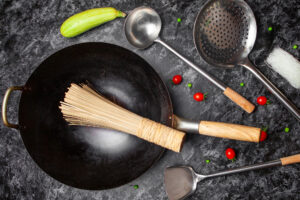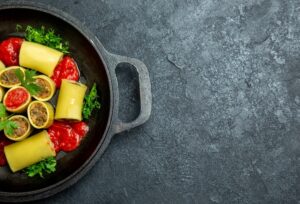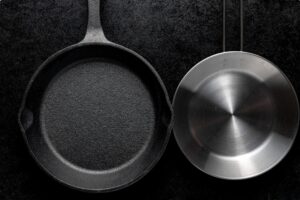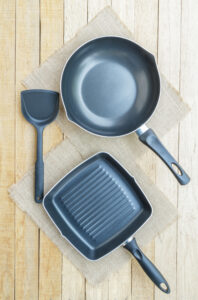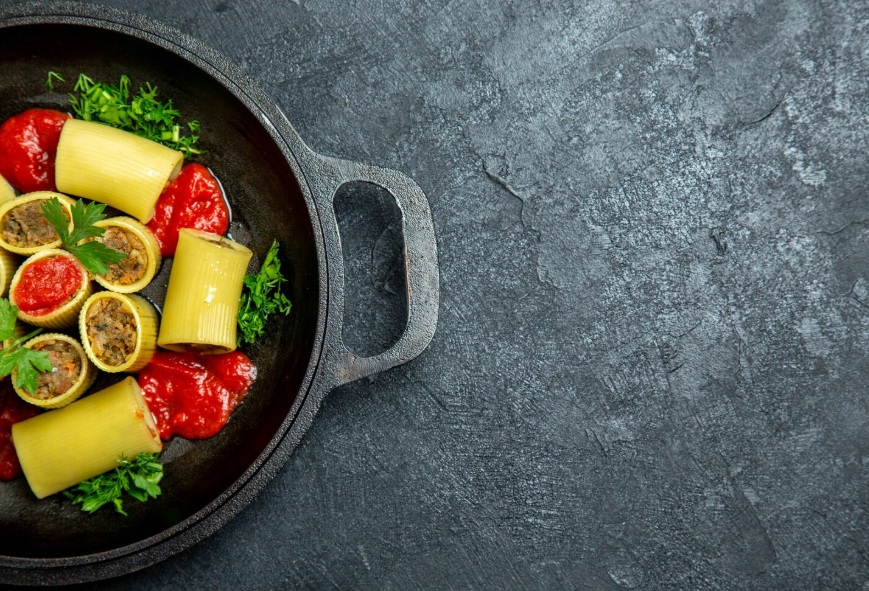
A quality cookware set is the foundation of any well-equipped kitchen. From saucepans to skillets, choosing the right materials and construction makes all the difference.
📖 Related Guides:
• Best Non-Stick Pans for Healthy Cooking
• Stainless Steel vs Non-Stick: Complete Comparison
• Cast Iron Care: How to Season and Maintain
The Ultimate Guide to Choosing the Perfect Cookware Set for Your Kitchen
Your cookware is the foundation of every meal you prepare. Whether you are outfitting your first kitchen or upgrading a well-loved collection, selecting the right cookware set is one of the most important decisions you will make as a home cook.
At potspansset.com, we have tested hundreds of pots and pans, analyzed thousands of customer reviews, and consulted with professional chefs to bring you this comprehensive guide. By the end, you will understand the key differences between cookware materials, know exactly what features to look for, and feel confident choosing a set that matches your cooking style, budget, and kitchen setup.
What You Will Learn
- The pros and cons of stainless steel, non-stick, cast iron, ceramic, and copper
- Essential features that separate high-quality cookware from the rest
- How to choose the right set for your experience level and cooking habits
- Proper care techniques to extend the life of your cookware
- Our top recommended cookware sets available on Amazon
1. Types of Cookware Materials
1.1 Stainless Steel
Stainless steel is the backbone of professional kitchens and a favorite among serious home cooks. Its durability, non-reactive surface, and ability to achieve high-heat searing make it exceptionally versatile.
Advantages:
- Extremely durable and resistant to rust, corrosion, and staining
- Non-reactive with acidic ingredients like tomatoes and citrus
- Oven-safe to 500°F or higher, depending on the construction
- Compatible with all stovetop types, including induction
Considerations:
- Food may stick if the pan is not properly preheated with oil
- Heavier than non-stick alternatives
- Higher upfront cost for quality tri-ply or fully clad designs
Best For: Serious home cooks, frequent meat searing, and anyone seeking heirloom-quality cookware that lasts decades.
Shop Stainless Steel Cookware Sets on Amazon →
1.2 Non-Stick
Non-stick cookware revolutionized home cooking by making delicate foods easy to prepare and cleanup nearly effortless. Modern non-stick coatings are more durable than ever, though they still require gentle care.
Advantages:
- Food releases effortlessly without sticking
- Requires less oil or butter for healthier cooking
- Lightweight and easy to handle
- Quick and simple cleanup
Considerations:
- Coatings can scratch or wear over time with abrasive tools or high heat
- Typically oven-safe only up to 350–400°F
- Not ideal for high-heat searing
Best For: Busy families, cooking eggs and fish, and anyone who prioritizes quick cleanup.
Shop Non-Stick Cookware Sets on Amazon →
1.3 Cast Iron
Cast iron has been trusted for centuries because it simply works. Its unmatched heat retention and ability to go from stovetop to oven to campfire make it one of the most versatile materials available.
Advantages:
- Exceptional heat retention for consistent cooking
- Naturally non-stick when properly seasoned
- Adds dietary iron to your food
- Compatible with all heat sources, including induction and open flame
Considerations:
- Heavy; requires strength to handle
- Requires regular seasoning and careful drying to prevent rust
- Not dishwasher-safe
Best For: One-pan meals, baking enthusiasts, and cooks who appreciate heirloom-quality pieces that improve with age.
Shop Cast Iron Cookware on Amazon →
📖 Related Guide: For detailed instructions on caring for your cast iron, read our Complete Cast Iron Care Guide: How to Season and Maintain.
1.4 Ceramic
ceramic cookware has gained popularity as a non-toxic alternative to traditional non-stick coatings, offering similar performance without PTFE or PFOA.
Advantages:
- Free from PTFE, PFOA, and other synthetic chemicals
- Effective non-stick performance
- Available in attractive, modern colors
- Oven-safe to moderate temperatures (typically 400–450°F)
Considerations:
- May chip or crack if dropped or subjected to thermal shock
- Non-stick properties can diminish over time with heavy use
- Not induction-ready unless the base is specifically designed for it
Best For: Health-conscious cooks, those seeking non-toxic options, and anyone who values aesthetic kitchen pieces.
Shop Ceramic Cookware on Amazon →
1.5 Copper
Copper cookware is prized by professional chefs for its instant, precise temperature control. It responds immediately to heat changes, making it ideal for delicate sauces and precise cooking techniques.
Advantages:
- Exceptional heat conductivity and responsiveness
- Stunning aesthetic that adds elegance to any kitchen
- Professional-grade performance
Considerations:
- Expensive; one of the highest-priced cookware options
- Requires regular polishing to maintain its appearance
- Usually lined with stainless steel or tin, which may wear over time
Best For: Enthusiast cooks who demand precision, and those who appreciate cookware as both a tool and an art piece.
Shop Copper Cookware on Amazon →
2. What to Look for in a Quality Cookware Set
Beyond material, several key features separate exceptional cookware from mediocre options. When evaluating a set, consider the following:
2.1 Essential Pieces
A well-rounded cookware set should include:
- 8-inch and 10-inch frying pans – for eggs, searing, and everyday cooking
- 1.5-quart and 3-quart saucepans with lids – for sauces, rice, and reheating
- 6-quart stockpot with lid – for soups, pasta, and large-batch cooking
- 3-quart sauté pan – for stir-frying and one-pan meals
- Dutch oven – for braising, baking, and slow cooking
2.2 Handle Construction
Handles are often overlooked but critically important for safety and comfort:
- Riveted handles – more durable than welded or screwed alternatives
- Ergonomic shape – reduces fatigue during extended cooking
- Stay-cool technology – minimizes burn risk
- Secure attachment – no wobble or looseness
2.3 Lid Fit
A tight-fitting lid improves cooking efficiency:
- Traps heat and moisture for better results
- Prevents splatters and spills
- Tempered glass lids allow monitoring without losing heat
- Stainless steel lids offer maximum durability and oven-safe versatility
2.4 Stovetop Compatibility
Ensure your cookware works with your specific cooktop:
| Cooktop Type | Compatible Materials |
|---|---|
| Induction | Stainless steel, cast iron, magnetic materials |
| Gas | All materials |
| Electric / Glass Top | All materials (flat-bottom recommended) |
2.5 Oven-Safe Temperature
If you frequently finish dishes in the oven:
- Stainless steel and cast iron typically handle 500°F or higher
- Non-stick often maxes out at 350–400°F
- Ceramic varies; check manufacturer specifications
3. Cookware Sets for Different Needs
3.1 Best for Beginners
If you are setting up your first kitchen, start with an all-in-one set that includes the essential pieces without overwhelming your budget or storage.
Recommended configuration:
- 8- to 10-piece set
- Non-stick or tri-ply stainless steel
- Price range: $100–$200
3.2 Best for Serious Home Cooks
Daily cooks who demand professional performance should invest in a premium set designed for longevity and even heat distribution.
Recommended configuration:
- 10- to 14-piece set
- Fully clad stainless steel with aluminum or copper core
- Price range: $300–$600
3.3 Best for Non-Stick Performance
When easy cleanup is your top priority, a high-quality non-stick or ceramic set is the right choice.
Recommended configuration:
- 8- to 12-piece set
- PFOA-free non-stick or ceramic coating
- Price range: $150–$300
3.4 Best for Space-Saving
Small kitchens, apartments, and RVs require cookware that stores efficiently without sacrificing functionality.
Recommended configuration:
- Nesting or detachable handle sets
- 5- to 10-piece sets that stack together
- Price range: $100–$250
4. Top Picks from Amazon
After extensive research and testing, these are our top recommended cookware sets available on Amazon. Each offers excellent value in its category.
4.1 Premium Stainless Steel 10-Piece Cookware Set
This professional-grade set features bonded aluminum core construction for even heat distribution, ergonomic riveted handles, and oven-safe capability up to 500°F. The comprehensive 10-piece collection includes everything from a 1.5-quart saucepan to an 8-quart stockpot.
Key Features:
- ✓ Tri-ply stainless steel with aluminum core
- ✓ Oven-safe up to 500°F
- ✓ Dishwasher-safe
- ✓ Induction-compatible
Best For: Serious home cooks who want restaurant-quality performance and decades of durability.
4.2 Non-Stick Ceramic 8-Piece Cookware Set
Manufactured with a PFOA-free ceramic coating derived from natural materials, this set delivers effortless food release without synthetic chemicals. The scratch-resistant surface and comfortable stay-cool handles make daily cooking enjoyable.
Key Features:
- ✓ PFOA-free ceramic non-stick coating
- ✓ Scratch-resistant cooking surface
- ✓ Stay-cool ergonomic handles
- ✓ Tempered glass lids
Best For: Health-conscious cooks and families who want quick, easy cooking with minimal oil.
4.3 Cast Iron Essential 5-Piece Set
This pre-seasoned cast iron set includes a 10-inch skillet, 12-inch skillet, and a 5-quart Dutch oven with lid. Ready for immediate use, these pieces transition seamlessly from stovetop to oven to table.
Key Features:
- ✓ Pre-seasoned and ready to use
- ✓ Exceptional heat retention
- ✓ Versatile—stovetop, oven, grill, campfire
- ✓ Heirloom quality
Best For: Cooks who love one-pan meals, baking, and pieces that improve with age.
4.4 Space-Saving Nesting Cookware Set
Designed for compact kitchens, this set features detachable handles and pots that nest inside each other. The non-stick coating and glass lids provide full functionality in a fraction of the storage space.
Key Features:
- ✓ Detachable universal handles
- ✓ Space-saving nested design
- ✓ Non-stick coating for easy release
- ✓ Tempered glass lids
Best For: Small kitchens, apartments, RVs, and camping.
5. How to Care for Your Cookware
Proper care dramatically extends the life of your cookware. Follow these material-specific guidelines:
5.1 Stainless Steel
- Wash with warm soapy water after each use
- Use a stainless steel cleaner or baking soda to remove water spots
- Avoid extreme temperature changes to prevent warping
- Dry immediately to maintain luster
5.2 Non-Stick
- Hand wash with a soft sponge—never use abrasive pads
- Use silicone, wood, or nylon utensils exclusively
- Store with protective padding or pan protectors
- Avoid high heat which can degrade the coating
5.3 Cast Iron
- Rinse with hot water and scrub with a brush (use soap sparingly)
- Dry completely and immediately after washing
- Apply a thin layer of oil after each use to maintain seasoning
- Store with lids slightly ajar to allow air circulation
📖 Related Guide: For detailed cast iron care instructions, read our Complete Cast Iron Care Guide: How to Season and Maintain.
5.4 Ceramic
- Hand wash with gentle soap and a soft sponge
- Avoid metal utensils that can scratch the surface
- Allow to cool completely before washing to prevent cracking
- Store carefully to avoid chipping
6. Frequently Asked Questions
What is the healthiest cookware material?
Stainless steel, cast iron, and ceramic are widely considered the healthiest options. They are non-reactive and do not contain synthetic coatings that can degrade into food.
Can I use metal utensils on non-stick pans?
No. Metal utensils scratch and permanently damage non-stick coatings. Always use silicone, wood, or nylon utensils to protect the cooking surface.
How often should I replace my cookware?
Quality cookware typically lasts 5 to 15 years or more with proper care. Replace pieces when you notice warping, coating flaking, or handles becoming loose.
Is induction cookware different from regular cookware?
Yes. Induction cooktops require cookware with a magnetic base. Stainless steel and cast iron work well, while aluminum and pure copper typically do not unless they have an induction-compatible bottom layer.
What cookware pieces should a beginner start with?
A beginner should start with an 8-inch and 10-inch frying pan, 1.5-quart and 3-quart saucepans, a 6-quart stockpot, and a 3-quart sauté pan or Dutch oven for versatility.
7. Final Thoughts
Choosing the right cookware set is an investment in your culinary journey. The perfect set should align with your cooking style, storage space, and willingness to perform maintenance.
Whether you prioritize the durability of stainless steel, the convenience of non-stick, the versatility of cast iron, or the non-toxic appeal of ceramic, there is a set designed to meet your needs.
Ready to upgrade your kitchen? Browse our top recommendations above to find the cookware set that will inspire your next great meal.
Disclosure: As an Amazon Associate, potspansset.com earns from qualifying purchases. This helps support our ability to provide free, high-quality content for our readers.