This post contains affiliate links — as an Amazon Associate, we earn from qualifying purchases.
A Dutch oven is one of the few pieces of Cookware that can go from searing on the stovetop to slow-braising in the oven to baking a loaf of sourdough — all in the same pot. It’s often described as a “buy it for life” purchase, which is exactly why so many buyers spend real time comparing options before choosing one. Here’s what actually matters when shopping for the best Dutch oven, plus picks for different needs and budgets.
Quick Picks
- Best Overall: Enameled cast iron Dutch oven, 6–7 quarts
- Best Budget Pick: Enameled cast iron Dutch oven under $80
- Best for Bread Baking: Dutch oven with a tight-fitting, moisture-sealing lid
- Best for Small Households: Compact 3.5–4.5 quart Dutch oven
- Best for Large Families: 7.25+ quart Dutch oven, oval shape for roasts
👉 See today’s best-selling Dutch ovens
What Buyers Actually Search For (And Why It Matters)
- “Enameled cast iron Dutch oven” — the most-searched type, valued for needing no seasoning and handling acidic foods safely
- “Small Dutch oven” — buyers cooking for one or two people, or with limited storage space
- “Dutch oven for bread baking” — buyers specifically looking for tight seals and even heat for sourdough
- “Budget Dutch oven” — price-conscious buyers who still want a heavy, well-built pot
- “Best Dutch oven brands” — buyers comparing established names before a big purchase
What to Look For in a Dutch Oven
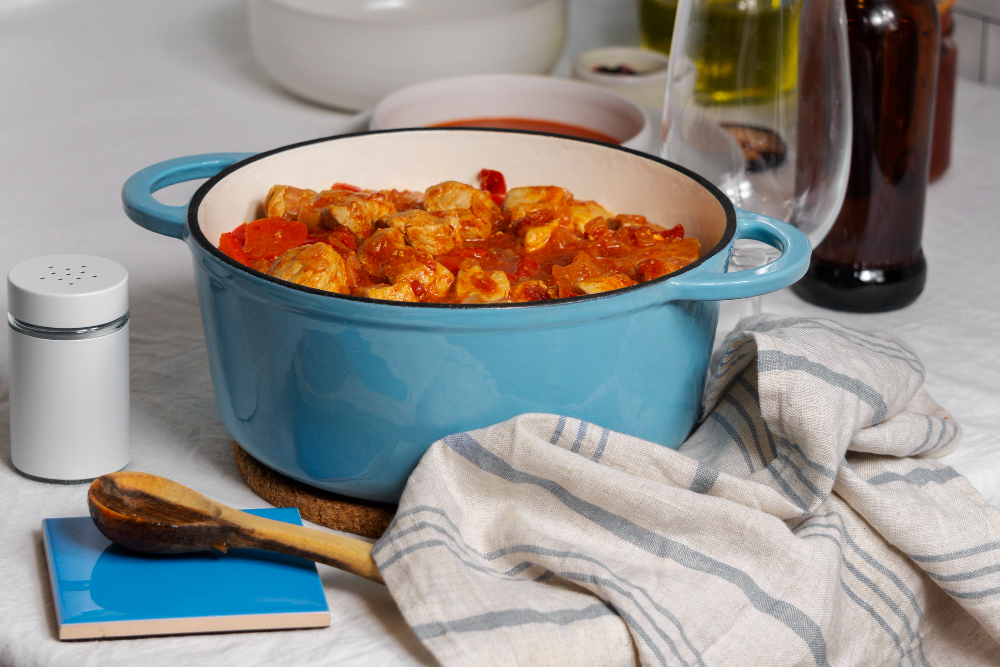
Material Enameled cast iron is the most popular choice by far — it holds heat exceptionally well, needs no seasoning, and the enamel coating makes it safe for acidic ingredients like tomato sauce or wine, unlike bare cast iron.
Size Dutch ovens typically range from 3.5 to 8 quarts. A 6-quart pot is the most versatile all-around size for a family of three to five; go smaller for a couple, or larger (and consider an oval shape) if you regularly cook big cuts of meat or large batches.
Lid fit A tight-fitting lid traps moisture during braising and is essential for bread baking, where steam helps form a good crust.
Interior color A lighter-colored enamel interior makes it easier to monitor browning and fond development compared to dark interiors.
Weight Cast iron Dutch ovens are heavy, often 10-16 pounds even empty. If wrist or shoulder strength is a concern, look at slightly lighter-walled models rather than assuming all Dutch ovens weigh the same.
Best Enameled Cast Iron Dutch Oven
This is the category most buyers land on, and for good reason — no seasoning maintenance, safe with acidic foods, and it goes straight from stovetop to oven for braises, stews, and one-pot meals.
👉 Browse enameled cast iron Dutch ovens
Best Budget Dutch Oven
You don’t need a premium name brand to get a well-built pot. A number of budget enameled cast iron options deliver most of the core performance — heat retention and a tight lid — at a fraction of premium pricing.
👉 Browse budget-friendly Dutch ovens
Best Small Dutch Oven
For smaller households or kitchens with limited storage, a compact 3.5–4.5 quart Dutch oven covers most weeknight cooking — soups, small braises, side dishes — without taking up the cabinet space of a full-size pot.
Best Dutch Oven for Bread Baking
Bread bakers specifically look for a snug-fitting lid that traps steam, which helps form a crisp, well-risen crust. Round shapes with roughly 6-7 quart capacity tend to work best for standard boule-style loaves.
👉 Browse Dutch ovens for bread baking
Dutch Oven vs. cast iron skillet: Do You Need Both?
They’re not interchangeable. A cast iron skillet excels at searing, frying, and stovetop cooking where you want direct, high contact heat, while a Dutch oven is built for anything with liquid — braises, soups, stews, and slow oven cooking. Most well-stocked kitchens eventually have both. If you’re deciding which to buy first, a Dutch oven has slightly broader everyday use for most home cooks. (Already own a skillet? Check out our guide to picking the best cast iron skillet to round out your cast iron collection.)
Care Tips to Make Your Dutch Oven Last
- Let the pot cool before washing to avoid thermal shock and enamel cracking.
- Avoid metal utensils on enameled interiors — use wood or silicone instead.
- Hand wash when possible; even “dishwasher-safe” enamel lasts longer with hand care.
- Avoid dropping or banging the pot, since enamel can chip on impact.
Frequently Asked Questions
What size Dutch oven should I buy first? A 6-quart round Dutch oven is the most versatile starting size for most households, handling everything from soups to roasts.
Do I need to season an enameled Dutch oven? No. Enameled cast iron doesn’t require seasoning, unlike bare cast iron skillets — that’s part of its appeal.
Can a Dutch oven go in the oven? Yes, enameled cast iron Dutch ovens are oven-safe, often up to 500°F, though it’s worth confirming your specific pot’s rated temperature, especially if the lid knob is plastic.
Is a Dutch oven worth the investment? For most home cooks, yes — it’s one of the more versatile pieces of cookware, handling stovetop, oven, and even bread-baking tasks in a single pot that can last decades.
Disclosure: This post may contain affiliate links. If you make a purchase through one of our links, we may earn a small commission at no extra cost to you.